
What is vessel sealing? Types and uses explained
Maintaining the integrity and efficiency of rotating equipment is paramount in industrial processes. Vessel and agitator mechanical seals play a crucial role, particularly in operations involving closed-system mixers, agitators or reaction vessels. Understanding how these seals work is essential for:
- Handling aggressive or harmful substances
- Maintaining pressure differentials between the inside and outside of the vessel
- Preserving high purity standards in your processes
The terms mixer, agitator and vessel are often used interchangeably to describe equipment that performs the functions listed above. For simplicity, we will use the term ‘vessel and agitator seals’ throughout this blog.
Key benefits of using vessel and agitator seals
Vessel and agitator seals offer several advantages over traditional pump seals, making them ideal for demanding industrial applications:
- Dry-running capability: Operate without a continuous fluid film, suitable for processes where seals may not always be lubricated.
- High-pressure and low-speed operation: Function effectively under high-pressure and optimised for the lower speeds typical in mixing processes.
- Robust drive mechanisms: Include ear drives, T-bar drives, key drives and clamp collars for secure and reliable operation.
- Accommodation of shaft runout: Designed to handle significant shaft misalignment, typically allowing for 0.125 inches (3 mm) of total indicated runout (TIR) at minimum.
- Versatility: Suitable for various industries like chemical processing, pharmaceutical and food production.
- Compliance: Meet industry standards such as American Petroleum Institute (API), Food and Drug Administration (FDA) and ATEX, ensuring safety and compatibility with a wide range of applications.
- Enhanced durability: Built to withstand harsh industrial environments, extending the mechanical seal's lifespan.
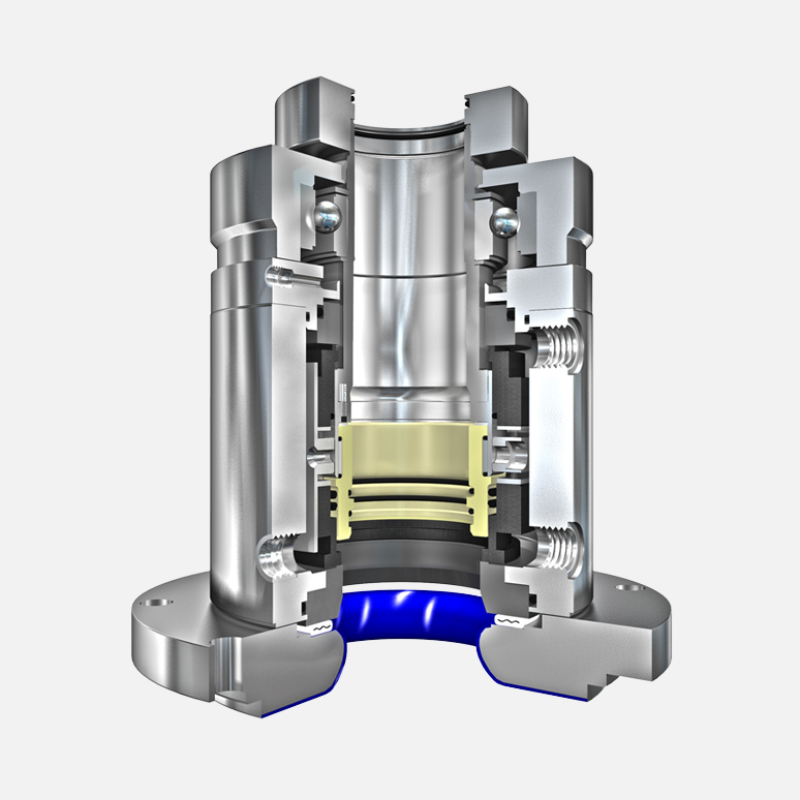
These benefits make vessel and agitator seals particularly suitable for demanding industrial applications where durability and reliability are critical.
What are the different types of vessel and agitator mechanical seals?
Vessel and agitator seals are not one-size-fits-all. They come in various configurations, each designed to address specific application requirements and operational challenges. Understanding the distinctions between these configurations is critical to selecting the most suitable seal for your specific needs. The three basic configurations of vessel and agitator seals are top entry, side entry and bottom entry seals, each with unique advantages and applications.
Top entry vessel and agitator mechanical seals
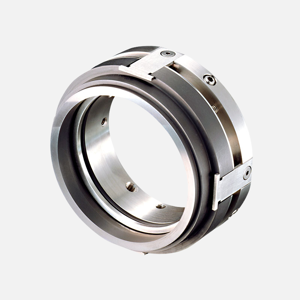
Top entry vessel and agitator seals, the most prevalent type used in industrial applications, are installed at the top of the vessel, making them easily accessible for maintenance and inspection. They are typically used in mixers, reactors and agitators where the drive mechanism is positioned above the vessel. The advantages of top entry seals are significant and should not be overlooked:
- Ease of maintenance: One key advantage of top entry seals is their accessibility. Located at the top, these seals are designed for easy and efficient routine maintenance and inspection without requiring extensive disassembly. This feature not only saves time but also ensures the smooth operation of your equipment.
- Versatility: They can be used in a wide range of applications, including chemical processing, pharmaceutical and food production. This versatility makes them an asset in many industrial processes.
- Design variations: This configuration offers various design options, such as single seals, dual seals and cartridge seals, further enhancing its value to customers.
Side entry vessel and agitator mechanical seals
Side entry vessel and agitator seals are installed on the side of the vessel. They are commonly used in applications where the top entry is impractical due to space constraints or specific process requirements. Side entry seals are particularly useful in large reactors and storage tanks. Key benefits of side entry seals include:
- Lower initial cost: They typically have a lower initial cost than top-entry mixers.
- No mounting support required: They do not require mounting support on top of the vessel.
- Simple speed reductions: Side entry seals allow for simple speed reductions due to higher operating speeds.
Bottom entry vessel and agitator mechanical seals
Bottom entry vessel and agitator seals are mounted at the bottom of the vessel. This configuration is less common but is essential for specific applications where top or side entry is not viable. Bottom entry seals are often used in processes involving highly viscous fluids or slurries. The advantages of bottom entry seals include:
- Improved mixing: These seals enhance the mixing efficiency for heavy or settling materials by positioning the agitator at the bottom.
- Optimal fluid handling: Bottom entry seals are ideal for applications requiring thorough mixing and minimal dead zones within the vessel.
- Enhanced process control: They allow for precise control of the mixing process, which is critical in industries such as pharmaceuticals and chemicals.
Selecting the appropriate vessel and agitator seal depends on several factors, including the nature of the process, the properties of the materials being handled and the application's specific requirements. By understanding the unique benefits and limitations of top, side and bottom entry seals, you can make an informed decision that ensures optimal performance and longevity of your equipment.
Choosing the right seal arrangement for your vessel
When selecting a vessel and agitator mechanical seal arrangement and system for your vessel, consider the following four main types:
Wet contacting (W):
- Arrangement: Single and dual.
- Lubrication: Sealing faces are cooled and lubricated by the product or a barrier fluid.
Gas-lubricated non-contacting (G):
- Arrangement: Dual.
- Lubrication: Sealing faces are lubricated by a pressurised barrier gas. Spiral groove technology separates seal faces by a few microns during operation, eliminating face wear and product contamination.
Dry-running contacting (D):
- Arrangement: Single or dual.
- Lubrication: Sealing faces are constructed from a special grade of self-lubricating carbon. Velocity is typically limited to 2 m/s (400 fpm).
Dry-running non-contacting (GD):
- Arrangement: Dual (hybrid).
- Features: Non-contacting inboard seal ensures high product purity, low heat generation, and reduced power usage. Dry-contacting outboard seal minimises barrier gas consumption.
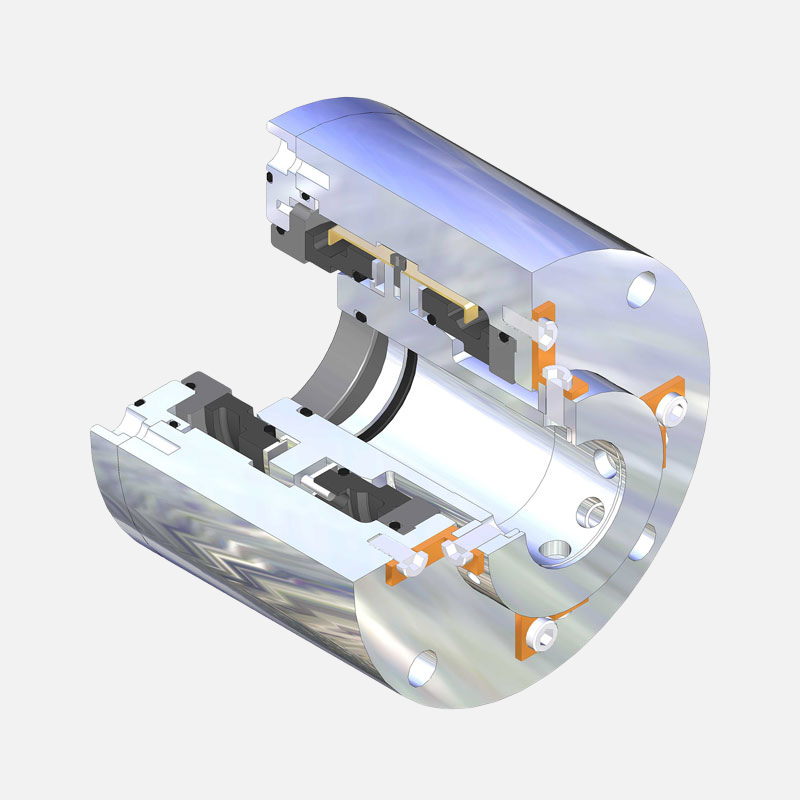
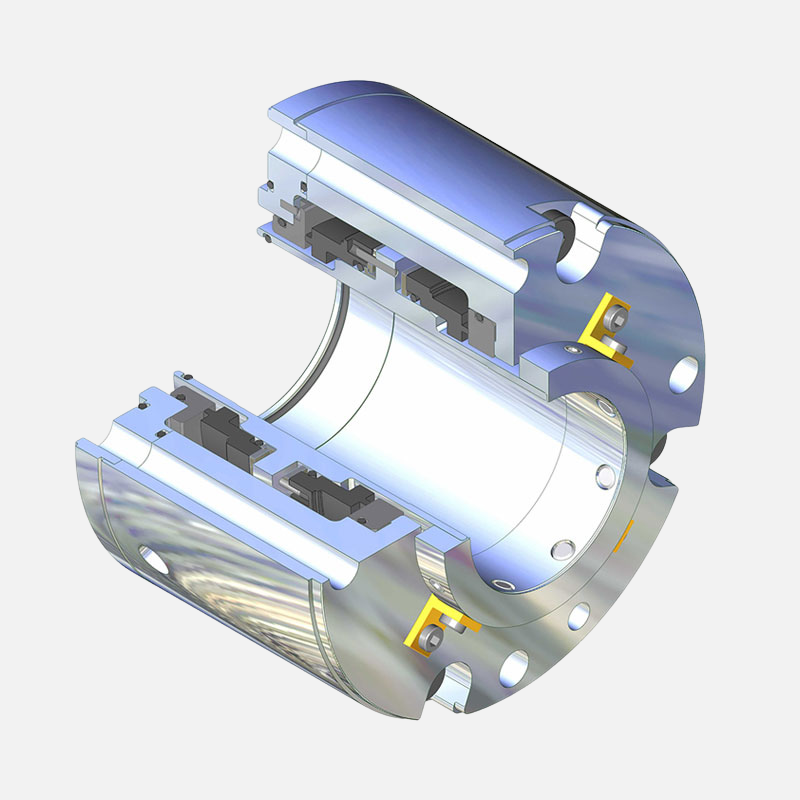
Selecting the right seal arrangement and system depends on your application specifications, such as fluid characteristics and hygienic requirements. Dual arrangements are typically used for products that are toxic, corrosive, flammable, reactive or have high solids concentration. Non-contacting arrangements are preferred for high-purity environments.
Real-world applications across industries
Vessel and agitator seals are used in a wide range of equipment and machinery, including pumps and compressors. Their versatility makes them indispensable in various industries, such as:
- Chemical: Handling corrosive and hazardous chemicals with precision and safety.
- Pharmaceutical: Ensuring purity and compliance with stringent regulations.
- Petrochemical: Managing the demanding conditions of petrochemical production.
- Oil and gas: Withstanding extreme pressures and temperatures.
- Water and wastewater: Ensuring reliable operation in clean water treatment processes.
- Power generation: Supporting efficient and safe energy production.
- Mining: Enduring harsh conditions and abrasive materials.
- Food and beverage: Maintaining hygiene and safety standards.
Prioritising sustainability and safety
When it comes to vessel and agitator mechanical seals, sustainability and safety are paramount. Ensuring compliance with industry standards and regulations is essential for protecting the environment and the workforce. Here are the key considerations:
Compliance with industry standards
- API regulations: Ensuring that seals meet the API standards for performance and safety in the oil and gas industry.
- FDA compliance: Adhering to the FDA requirements for materials and processes in food and pharmaceutical applications.
- USP class VI: Utilising materials that meet the United States Pharmacopeia (USP) Class VI standards, essential for medical and pharmaceutical applications.
- ADI/TSI free: Ensuring that mechanical seals are free from Animal-Derived Ingredients (ADI) and Tallow-Sourced Ingredients (TSI) is crucial for the biopharmaceutical and food industries.
- EC 1935/2004 compliance: Meeting European standards for materials in contact with food.
- EHEDG standards: Adhering to the European Hygienic Engineering & Design Group (EHEDG) guidelines for hygienic design and cleanability.
- ASME BPE standards: Complying with the American Society of Mechanical Engineers (ASME) Bioprocessing Equipment (BPE) standards for bioprocessing industries.
- 3-A SSI standards: Meeting the 3-A Sanitary Standards, Inc. (SSI) requirements for equipment used in the dairy and food industries.
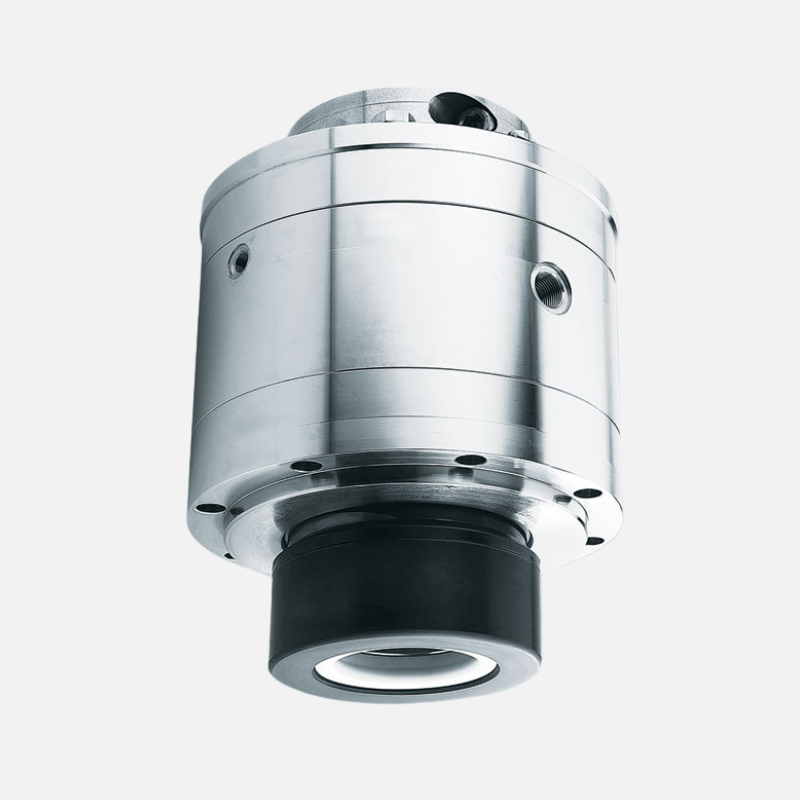
Sustainability benefits
- Material efficiency: Using sustainable materials and designs minimises the environmental impact, supporting the goals of reducing waste and promoting recycling within industrial processes.
- Energy efficiency: Designed to reduce energy consumption by optimising seal performance and reducing friction losses.
- Interchangeable faces: Some vessel and agitator seals offer interchangeable faces, including wet, dry, gas and dry-running combinations. This feature allows for the re-purposing of equipment, reducing waste and extending the lifecycle of machinery.
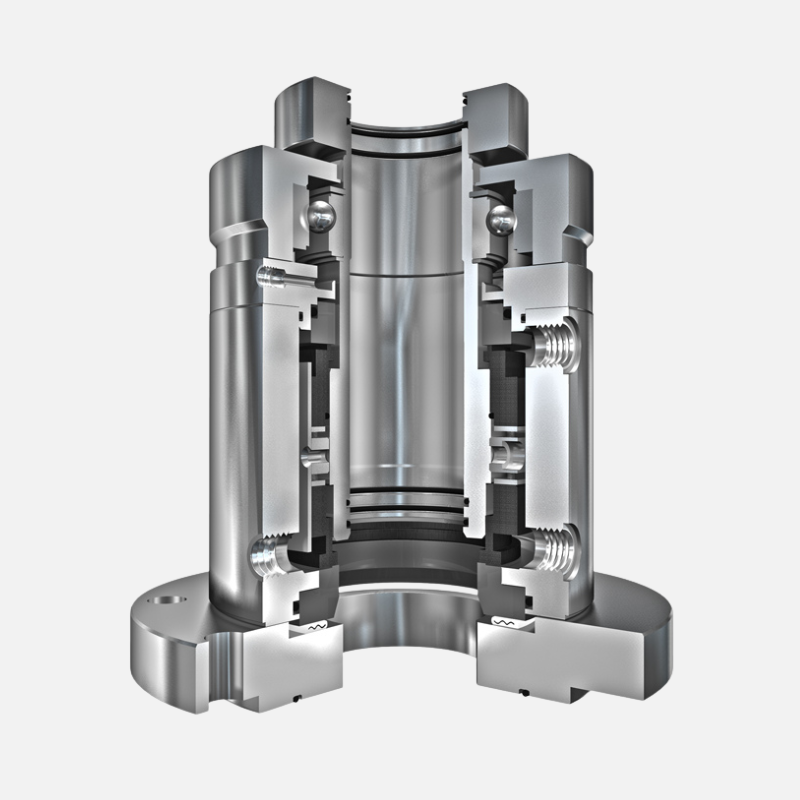
Safety compliance
- Integrated safety features: When used with temperature transmitters and additional system protections, like pressure gauges, these seals enhance safety by monitoring and controlling operational parameters.
- Risk mitigation: These seals help prevent accidents and equipment failures by adhering to strict safety standards, ensuring a safer working environment.
- ATEX certification: Certain seals are certified for ATEX environments, indicating that they are safe for use where there is a risk of explosion due to the presence of flammable gases, vapours or dust that are present continuously or for long periods.
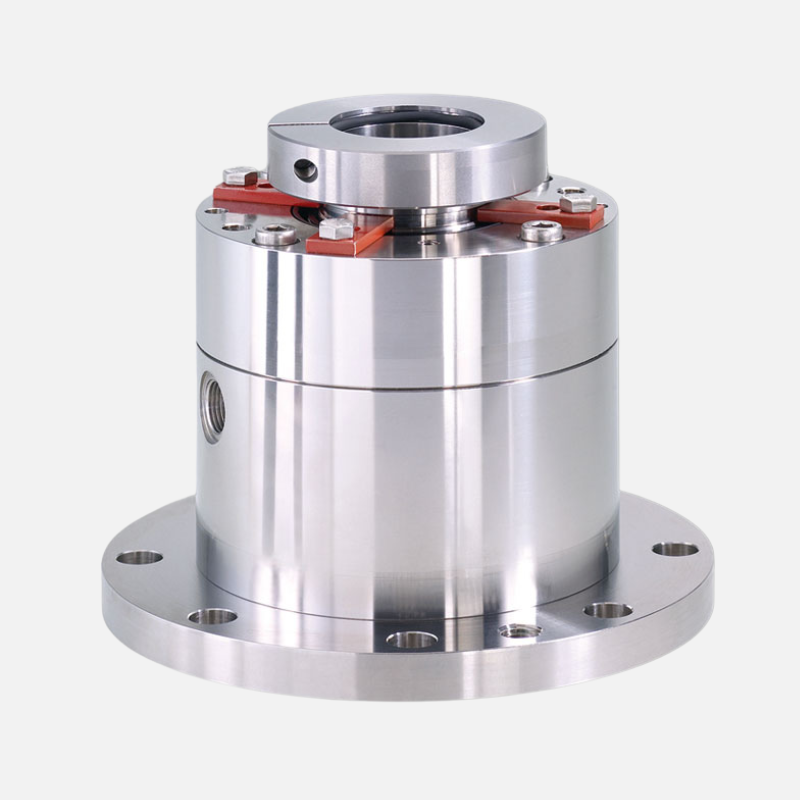
By prioritising sustainability and safety in the design and application of vessel and agitator seals, industries can achieve better environmental stewardship and ensure the well-being of their workers. Compliance with these standards meets regulatory requirements and supports the long-term viability and ethical operation of industrial processes.
Ensuring operational excellence
Understanding the role of vessel and agitator mechanical seals in industrial processes is crucial for ensuring the longevity and efficiency of your equipment. You can protect your operations by selecting the appropriate seal type and adhering to safety and sustainability standards.
The performance of even the best vessel and agitator seals can be compromised by improper installation or maintenance. That’s why trained, qualified personnel are essential. Investing in workforce education can not only help to improve uptime but also maximise the return on equipment investment.
John Crane supports operational excellence through a comprehensive portfolio of services:
- Our range of training programs is designed to enhance staff expertise in mechanical seal installation, operation and troubleshooting. We aim to empower your workforce to maintain optimal performance with confidence.
- Our asset management training provides data-driven insights, predictive maintenance tools and lifecycle support to extend equipment life, reduce time between repairs and improve efficiency across your operation.
Upgrading equipment, training new staff or developing a proactive maintenance strategy are all key steps in achieving long-term reliability and minimising downtime. For more details on how John Crane can provide solutions to support each of these areas, you can get a quote or contact us directly.
Explore more insights in our educational blog series: What is a mechanical seal?, What is a mechanical pump seal?, and Complete guide to compressor mechanical seal.
Resources
For more information on vessel and agitator seals, explore the following resources:
Blog: Ensuring a Leak-Free Future: The Role of Mechanical Seals in Process Safety and Sustainability
Webinar: Mechanical Seals for Chemical and Pharmaceutical Equipment
Video: Case Study: John Crane Helps Plant Reduce Contamination and Improve Reliability
FAQs
What is vessel sealing?
Vessels often require a solution to control product leakage or limit the risk of contamination where a rotating shaft enters a tank or vessel, typically using a vessel mechanical seal.
What are vessel seals used for?
Vessel seals keep fluids, vapours and pressure contained in mixing and processing equipment, helping protect product quality, safety and uptime.
How do agitator seals work?
Agitator seals provide a solution to control the area where a rotating agitator shaft enters the vessel, often using mechanical seals to help manage the environment both inside and outside of the agitator.