
How advanced seal technologies are transforming mining operations in Peru
Across Peru’s mining industry, achieving sustainable production depends on improving the reliability of critical equipment and reducing water consumption. Concentrator plants and molybdenum facilities rely on centrifugal pumps to transport abrasive slurries, which, although essential to mineral recovery, cause rapid equipment wear.
For years, frequent packing changes, high seal water use and unplanned downtime were accepted as unavoidable. Now, as environmental standards tighten and energy costs rise, mines are turning to advanced seal technologies that enhance performance while reducing water and energy consumption.
The challenge: abrasive fluids and excessive water use
Mining slurries are among the most demanding fluids handled by rotating equipment. They contain suspended solids, dissolved particles and crystallising components that can quickly degrade seal faces and shafts.
Traditional packing solutions require a constant flow of water to prevent overheating and dry running. In large concentrator circuits with dozens of slurry pumps, this can amount to tens of cubic metres of water per hour — water that must be treated, supplied and later processed as effluent. The result is higher operating costs, shorter maintenance intervals and greater environmental impact.
Mines across the region are now focusing on three key goals:
- Reducing water consumption to conserve resources and lower utility costs.
- Improving reliability to minimise downtime and extend equipment life.
- Reducing energy use by lowering frictional losses and improving seal efficiency.
Local expertise, global technology
John Crane in Peru has headquarters at the Lima Industrial Centre and supports these goals through a combination of local service capability and globally proven technology. From its 480 m² facility, the team provides engineered sealing and seal-support solutions designed specifically for abrasive and high-solids slurries.
The portfolio includes:
- Mechanical seals: Type 5840 (single cartridge), Type 5860/5864 and Type 5870 slurry seals.
- Seal water control systems: Safeunit™ and SafeJet™ inline filtration and water management systems.
- Seal face technology innovations: HYDROPAD, spiral groove, Upstream Pumping, Laserface and John Crane Diamond®.
Together, these technologies help operators manage slurry abrasion, eliminate unnecessary seal water use and maintain stable operation in tough environments.
Seal face technologies engineered for performance
Selecting the proper seal face technology is essential to achieving long-term reliability. John Crane’s face designs provide targeted benefits depending on service conditions:
- HYDROPAD enhances cooling at the seal interface, improving lubrication in low-lubricity fluids.
- Spiral groove and bidirectional groove designs generate hydrodynamic lift to minimise heat and reduce face wear.
- Laserface uses active control of the sealing interface to reduce frictional heat generation.
- John Crane Diamond® applies a pure diamond film coating to the seal face, significantly increasing hardness, chemical stability and wear resistance, ideal for intermittent dry-running or highly abrasive duties.
- Upstream Pumping offers the advantages of a dual-pressurised seal without the complexity of an external support system.
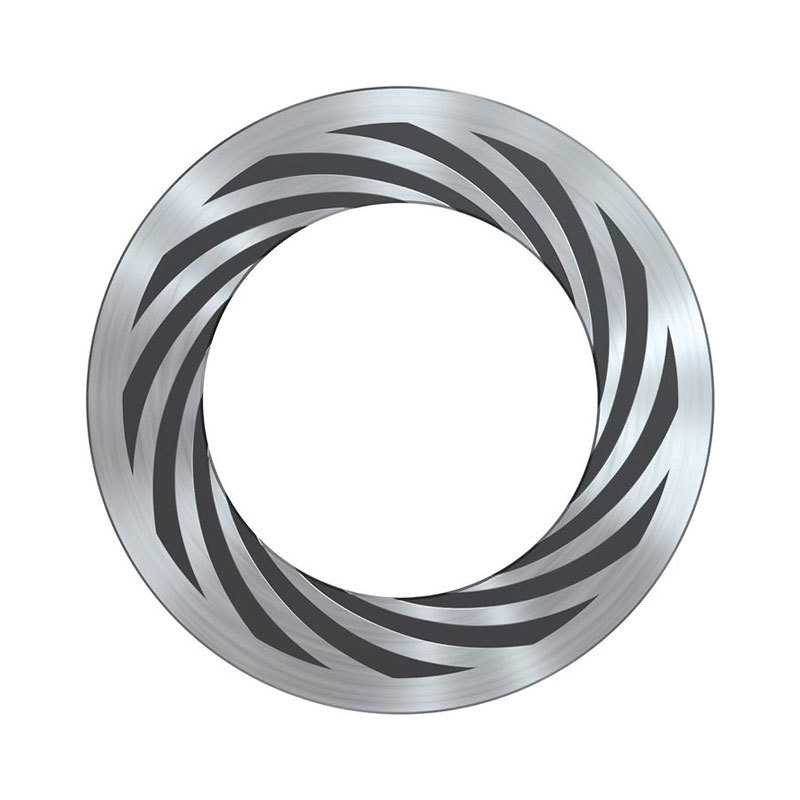
How diamond face technology redefines reliability
The John Crane Diamond coating, produced through chemical vapour deposition (CVD), creates a strong chemical bond between the diamond layer and substrate at temperatures up to 800°C. The resulting surface provides:
- Increased durability through exceptional abrasion resistance and hardness.
- Higher reliability via consistent film thickness and crystalline structure.
- Reduced costs through cooler operation, lower friction and extended seal life.
- Improved productivity by keeping mission-critical equipment running longer between maintenance cycles.
Proven performance in Peruvian concentrator plants
The benefits of this technology are already proven across multiple concentrator facilities in Peru.
At two large concentrators, more than 150 centrifugal slurry pumps across regrinding, thickening and molybdenum areas were upgraded from packing to John Crane Type 5860 mechanical seals with John Crane Diamond seal faces. Seal water flow rates previously ranged from 1 to 22 m3/h per pump.
Following installation, the new seals have operated continuously since 2020, eliminating the need for cooling water and dramatically reducing maintenance requirements.
Examples of successful conversions:
- Mo 1st cleaner tailing pump (35% solids): Converted from packing (~4.2 m3/h water use) to Type 5860 with Type 8189 faces — still operating since November 2020.
- Clarifier underflow pump (60% solids): Converted from packing (~68 l/min water use) to Type 5860 with John Crane Diamond faces — still operating since November 2020.
- High-grade regrind cyclone feed pump (46–60% solids): Replaced packing (~12–18 m3/h water use) with Type 5860 seal — continuous operation since 2021.
- Copper filter feed system: Upgraded from packing (~1.8 m3/h) to Type 5860 — in operation since 2021 with zero cooling water consumption.
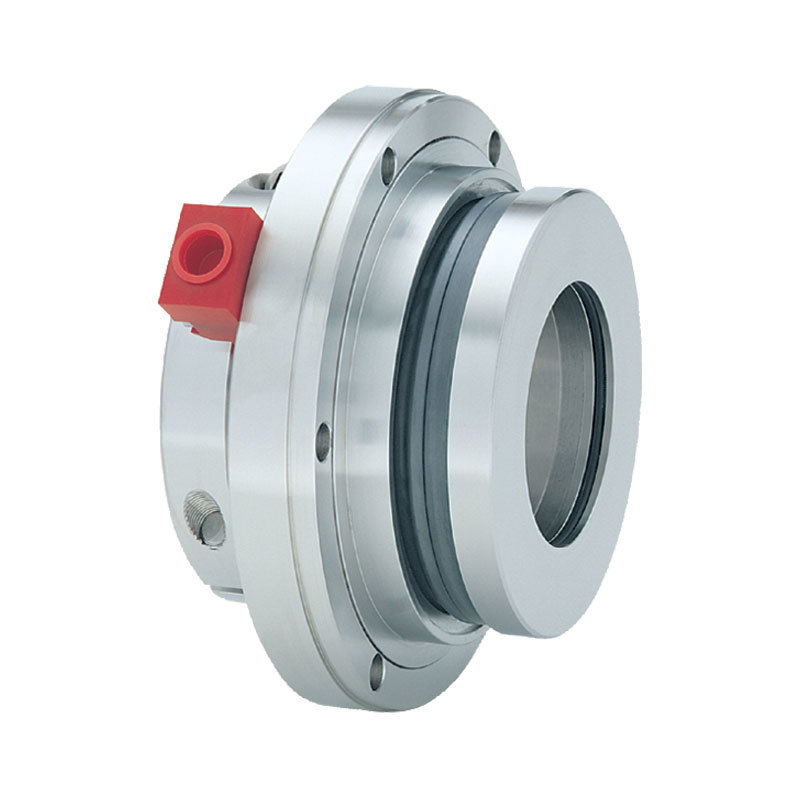
Across these installations, mines have achieved:
- Complete elimination of seal water use on critical slurry pumps.
- Long-term seal reliability, with continuous operation for over four years.
- Lower energy and maintenance costs contribute to improved plant availability.
Advancing sustainability in mining
By eliminating water use and extending mean time between repairs (MTBR), John Crane Diamond technology supports mining operators in meeting their environmental, social and governance (ESG) targets. Reduced seal friction also lowers power draw, helping decrease the overall carbon footprint of pumping systems.
In demanding slurry applications, mechanical seals often rely on API Plan 53 and Plan 54 systems to maintain barrier pressure and ensure continuous lubrication. John Crane’s Safeunit and SafeJet pump seal support systems integrate with these plans, delivering controlled water or barrier-fluid flow that minimises contamination, optimises cooling and reduces overall water consumption.
When combined with Safeunit and SafeJet water-management systems, mines can monitor and optimise every litre of process and seal water used, which is an increasingly important factor as regions face water scarcity and stricter sustainability requirements.

Engineering reliability, locally delivered
For Peru’s mining industry, reliability depends as much on local expertise as on advanced technology. From its Lima Industrial Centre, John Crane’s presence in Peru provides engineering, installation and refurbishment support that helps customers reduce turnaround times, extend equipment life and uphold high safety standards.
Through this local capability and proven technologies, Peruvian mines are demonstrating that reliability and sustainability can go hand in hand. Partnering with experts who understand both the process and the environment enables longer seal life, lower resource consumption, and greater confidence in critical equipment, advancing mining toward a more efficient and sustainable future.
This blog is based on the presentation, “Beyond Sealing: How John Crane Peru Transforms Mining Operations.” This was presented at the PERUMIN 37 Mining Convention, by Eduardo Chacaltana García, John Crane’s Sales Manager in Perú.